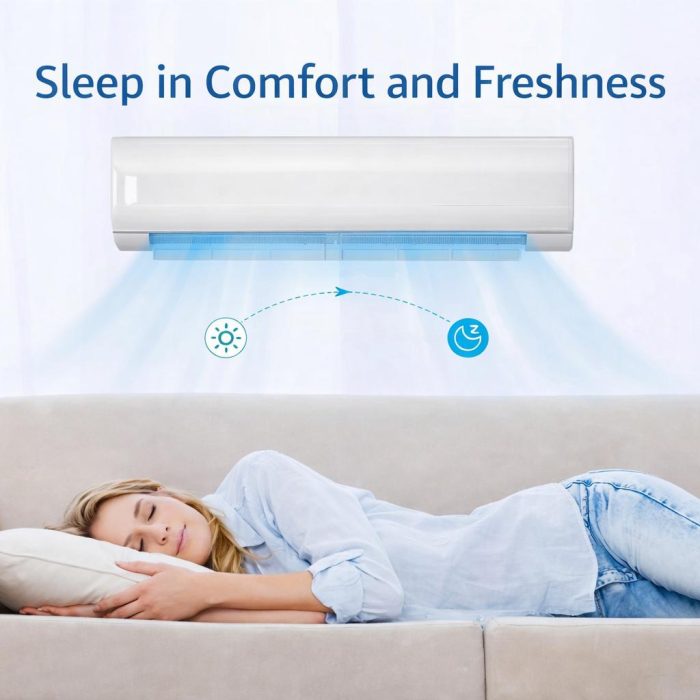
Air disinfection technology works by killing pathogens and destroying viruses in the air. Today, there is a proven technology capable of continuously disinfecting the air while occupants remain safely inside a home or building.
For over 100 years, this type of disinfection has been used successfully in healthcare environments such as hospitals and medical facilities to help control the spread of airborne infections. Now, similar technology can be applied to residential and commercial HVAC systems to help improve indoor air safety.
We are all faced with an unprecedented challenge remaining safe from an invisible enemy. Spending more time indoors has become a necessary part of protecting ourselves and our families. Therefore, safeguarding the air inside our homes and buildings has become more important than ever.
While no single solution can guarantee complete protection, there are steps that can significantly reduce the risk of airborne transmission between occupants.
Most people are familiar with washing hands and disinfecting surfaces. However, many do not realize that their HVAC system also plays a critical role in maintaining a healthier indoor environment.
HVAC systems are designed to circulate and condition indoor air. When properly maintained and enhanced with air purification technologies, they can significantly improve Indoor Air Quality (IAQ). This benefit has always been important, but during the COVID-19 pandemic it has become even more urgent.
This information is intended to increase awareness about indoor air quality and the important role it plays in protecting the health of occupants.
Good indoor air quality means clean, healthy air. It is air that is free from excessive dust, pollen, pathogens, odors, and harmful gases.
The United States Environmental Protection Agency (EPA) defines indoor air quality as the quality of the air in and around buildings as it relates to the health and comfort of occupants.
Maintaining good indoor air quality is important for everyone. However, it is especially critical for individuals with certain health conditions such as:
* Asthma
* Respiratory illnesses
* Compromised immune systems
* Thermoregulation disorders
These conditions often affect the very young and the elderly, although anyone can experience health problems related to poor indoor air quality.
Improving indoor air quality helps create a safer, healthier, and more comfortable living environment for families, workplaces, and communities.